
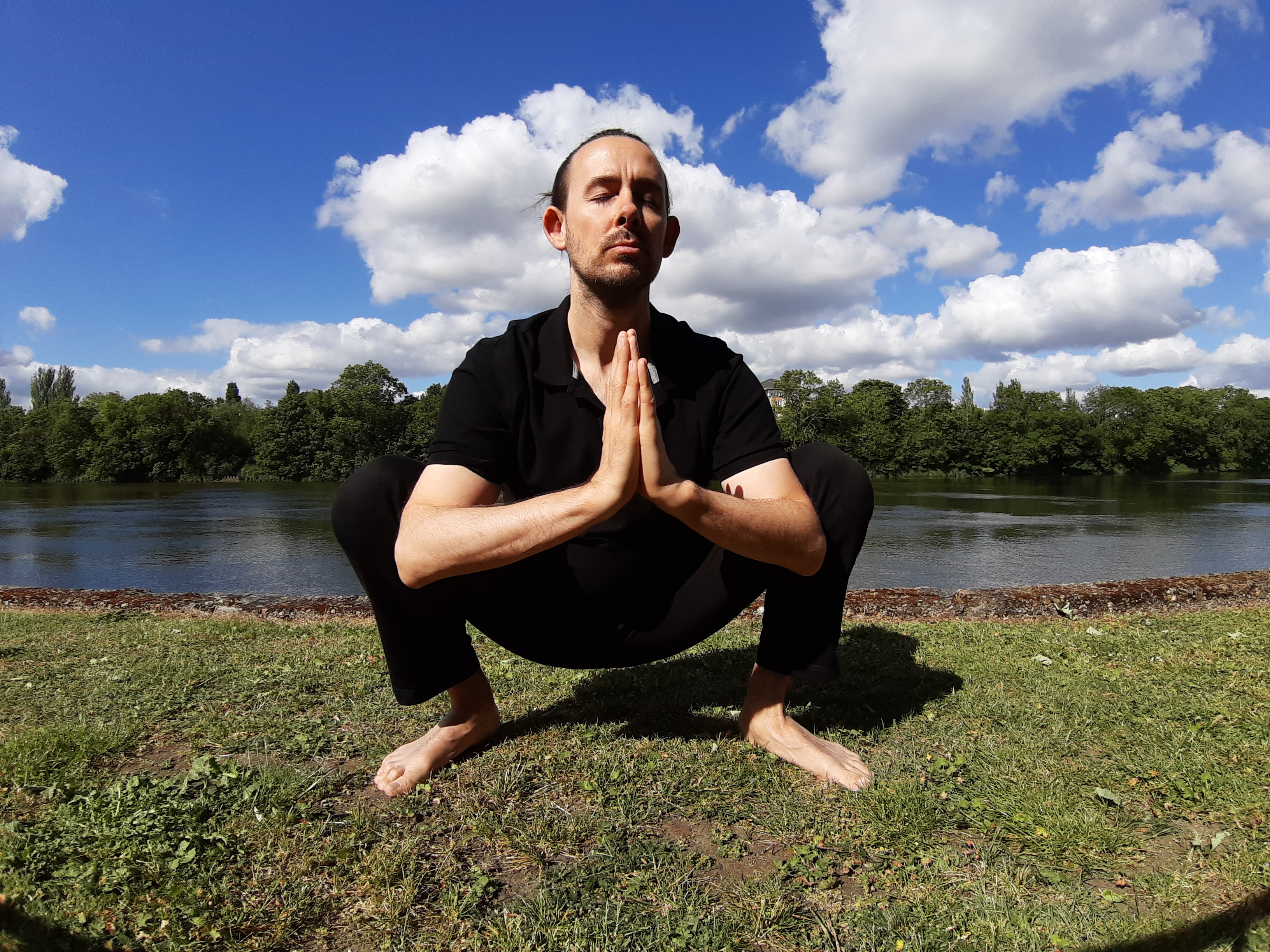
The Weight of Stress — and Why Reducing It Matters
I have a gripe with stress.
There, I’ve admitted it — and that already feels good.
When I pause and reflect on why I do what I do, and what my purpose might be, one word always rises to the surface: stress. More specifically, I feel a deep calling to help people release stress from their lives.
Some stress is necessary. It helps us grow, adapt, and survive. But another form of stress — chronic, unresolved stress — slowly wears people down mentally, emotionally, and physically. Everywhere I go these days, I see more and more people carrying that kind of weight.
To me, stress is the real global pandemic.
In my own small way, through Osteopathy, Shiatsu and hands-on therapy, I try to help people reduce that burden. Helping someone leave a treatment calmer, lighter, and more balanced is one of the most rewarding parts of my work.
But before we talk about treatment, it’s worth looking at the scale of stress in British Columbia today.
Stress in British Columbia: A Snapshot
Recent surveys suggest that many British Columbians are carrying a heavy emotional load.
• 62% of adults in BC report increased worry
• 59% report increased anxiety
• 60% say they feel more stressed than before the pandemic
In Metro Vancouver, the numbers are particularly striking:
• 1 in 4 young adults experience moderate to severe symptoms of depression, anxiety, or PTSD
• 23% feel “quite” or “extremely” stressed most days
• Roughly 22% of residents describe their lives as highly stressful
Only 66.5% of people rate their mental health as very good or excellent, meaning a significant portion of the population feels they are struggling.
Take a moment to digest those numbers. They reveal just how widespread stress has become.
Stress Shapes Us — For Better and Worse
Like most people, I’ve experienced my fair share of stress and trauma — more than you might believe. Thankfully, I’m still here, stronger because of it.
In a strange way, stress shapes us. It chisels away at life and forms us into the individuals we become. There’s a kind of yin-yang balance in it — growth often comes with sacrifice.
One day, all those stressful experiences might even end up in my future Pulitzer Prize-winning novel.
Watch this space.
But I digress…
How We Respond to Stress Matters Most
It’s easy to blame stressful people, difficult jobs, or challenging circumstances. I’ve certainly done my fair share of that — I could probably write ten chapters in my future novel about terrible managers.
But the truth is this:
What matters most is how we respond to stress.
Our attitude toward stressful situations often determines whether we feel overwhelmed or resilient.
And we usually have more choices than we realise.
We can step away from something unhealthy.
We can exercise, meditate, laugh with friends, go for a walk, or simply rest.
Sometimes we just need to pause and reset.
Of course, real life isn’t always that simple. Even when we know our options, stress can still feel overwhelming — and statistics show that certain stressors weigh particularly heavily on people in British Columbia.
What’s Driving Stress in BC?
Several factors are contributing to rising stress levels across the province.
Among nearly 4,000 nurses surveyed in BC:
• One-third showed symptoms of depression or anxiety
• Half reported symptoms consistent with post-traumatic stress
• At least one-third reported burnout
Financial pressure is another major contributor.
In a 2025 survey of British Columbians experiencing problem debt:
• 84% reported constant worry
• 78% felt anxious
• 69% felt helpless
Meanwhile:
• 46% say inflation and rising costs increased their stress
• 38% report higher anxiety levels
Stress affects everyone differently. Some people push themselves harder and harder until they collapse from exhaustion. Others withdraw and feel immobilised by depression.
Frontline workers, first responders, young adults, and people facing financial pressure may feel it most — but in truth stress touches all of us.
You. Me. Everyone.
A Personal Perspective on Coping
Earlier in my life — back when I was a rather enthusiastic self-medicator — I had a close friend who was an ordained Buddhist monk and tea-ceremony master.
He was wise, funny, kind… and slightly bonkers.
We often talked about stress, trauma, addiction, and mental health. One day I told him something that surprised even me:
“Sometimes people use things like alcohol, sex or drugs because they don’t yet have the strength to face what’s inside them. It’s not weakness — it just means they need patience and forgiveness toward themselves.”
He asked if he could share that line with his students.
That moment taught me something important: most people simply need a helping hand while they navigate difficult waters.
And before anyone starts shouting through their screen, I’m not advocating unhealthy coping strategies. Quite the opposite.
What I’m saying is this: don’t judge yourself too harshly. Most people are doing the best they can with the tools they currently have.
The good news is that healthier tools exist.
Mental Health in Metro Vancouver
Another telling statistic:
Approximately 8.6% of adults in Metro Vancouver live with a diagnosed mood disorder such as depression, anxiety, bipolar disorder, or PTSD.
And here’s the thing about statistics: they are almost certainly underestimates.
Many people never seek help or never report their struggles. As comedian Vic Reeves once joked, “85% of statistics are made up on the spot.”
Humour aside, statistics still give us a rough idea of what’s happening in our communities — and the reality is that many people suffer quietly.
They go to work, look after their families, and carry on with life while dealing with significant stress or emotional strain.
Over time, chronic stress doesn’t just affect the mind. It often begins to show up physically.
Why Stress Reduction Matters for Your Health
Chronic stress affects the entire body.
Research shows it can:
• Weaken the immune system
• Disrupt sleep
• Increase inflammation
• Contribute to chronic illness
• Reduce overall quality of life
Across Canada, 21.2% of workers report high or very high work-related stress.
In British Columbia — like many places around the world — ongoing stress has quietly become part of daily life.
But the human body was never designed to stay in a constant fight-or-flight state.
Eventually, something has to give.
Can Osteopathy Help with Stress?
Yes. Manual Osteopathy and Shiatsu therapy can play a supportive role. Many people are surprised to learn that osteopathic treatment can support stress reduction. By releasing muscular tension, improving circulation, and calming the nervous system, osteopathy can help the body shift out of a chronic fight-or-flight response and into a more balanced state.
Osteopathy takes a whole-body approach, recognising that physical, mental, and emotional health are deeply connected.
Shiatsu works with muscles, fascia, circulation, and energetic balance, often leaving people feeling both relaxed and revitalised.
Together, these therapies can support stress reduction in several ways.
Releasing Physical Tension
Stress often accumulates in the body — particularly in the neck, shoulders, jaw, and lower back.
Hands-on techniques such as soft-tissue therapy, myofascial release, and gentle joint mobilisation can help release that built-up tension.
Calming the Nervous System
As physical tension decreases and circulation improves, the nervous system can shift from fight-or-flight into a calmer rest-and-digest state.
Many clients describe feeling deeply relaxed after treatment.
Restoring Balance
Osteopathic treatment identifies structural imbalances that may contribute to stress and discomfort, helping the body regain equilibrium over time.
Supporting Healthy Habits
Manual therapy works best alongside other healthy practices such as movement, good sleep, social connection, and mental-health support.
I see the impact every week when someone walks out of the clinic feeling lighter, calmer, and more grounded.
Why Stress Care Matters in Metro Vancouver
The numbers make one thing clear:
• Roughly 1 in 5 residents report high stress levels
• Nearly 9% live with a mood disorder
• Young adults appear particularly affected
Stress management is no longer a luxury — it’s an essential part of health care.
A Final Thought
We are lucky to live in beautiful British Columbia, surrounded by mountains, forests, and ocean.
Yet even in paradise, life brings pressure — work, finances, family responsibilities, past trauma, and uncertainty.
Stress affects both the mind and the body, and when it goes unaddressed for long enough, the consequences can be serious.
But there is good news.
Supportive practices such as Osteopathy, Shiatsu, movement, and mindful lifestyle habits can help loosen stress’s grip and restore balance.
Sometimes, an hour of calm is the first step on someone’s journey back to themselves.
At my practice I regularly see clients from Coquitlam, Port Moody, Port Coquitlam, and across the Tri-Cities who are looking for natural ways to manage stress and improve their wellbeing.
If you or someone you know is struggling with stress, and if you’re interested in learning more about hands-on treatment approaches, you may also find my article on the differences between Osteopathy and Physiotherapy helpful.
And feel free to reach out using the email address below. I’d be happy to show you how Manual Osteopathy may help reduce stress and support your overall wellbeing.
If you’re experiencing ongoing stress, tension, or burnout and are looking for Manual Osteopathy for stress relief in the Tri-Cities area, I offer treatments for clients at Dovira Care Integrative Health Clinic in Coquitlam, and offer a mobile at-home service in Coquitlam, Port Moody, and Port Coquitlam focused on helping the body relax, rebalance, and recover.
FAQ
Can osteopathy help reduce stress?
Yes, osteopathic treatment can help release physical tension and calm the nervous system.
Where does stress show up in the body?
Many people feel stress in the neck, shoulders, jaw, and lower back.
How often should you have osteopathy for stress relief?
Many clients benefit from occasional treatments combined with exercise, rest, and healthy lifestyle habits.
Max’s Locations for Manual Osteopathy & Therapeutic Bodywork in Coquitlam, Port Moody,Tri-Cities and Greater Vancouver
Mobile In-house/At-work Service Tri-Cities and Greater Vancouver Book here: https://ithaca.noterro.com
Dovira Care Integrative Health Clinic, 3020 Lincoln Ave, 109, Coquitlam, BC, V3B 6B4 – Book here: https://dovira.janeapp.com
If you have any questions about bookings or Manual Osteopathy & Therapeutic Bodywork please email Max at ithacawellnesscanada@gmail.com
We would like to respectfully acknowledge that Ithaca Wellness operates on the traditional, ancestral, and unceded shared territories of the kʷikʷəƛ̓əm (Kwikwetlem), sq̓əc̓iy̓aɁɬ təməxʷ (Katzie), səlilwətaɬ (Tsleil-Waututh), xʷməθkʷəy̓əm (Musqueam), Sḵwx̱wú7mesh (Squamish), and Stó:lō (Sto:lo) First Nations. We give thanks to these nations who continue to live on and care for these lands and waters, and for their wisdom towards wildlife.
Leave a Reply