
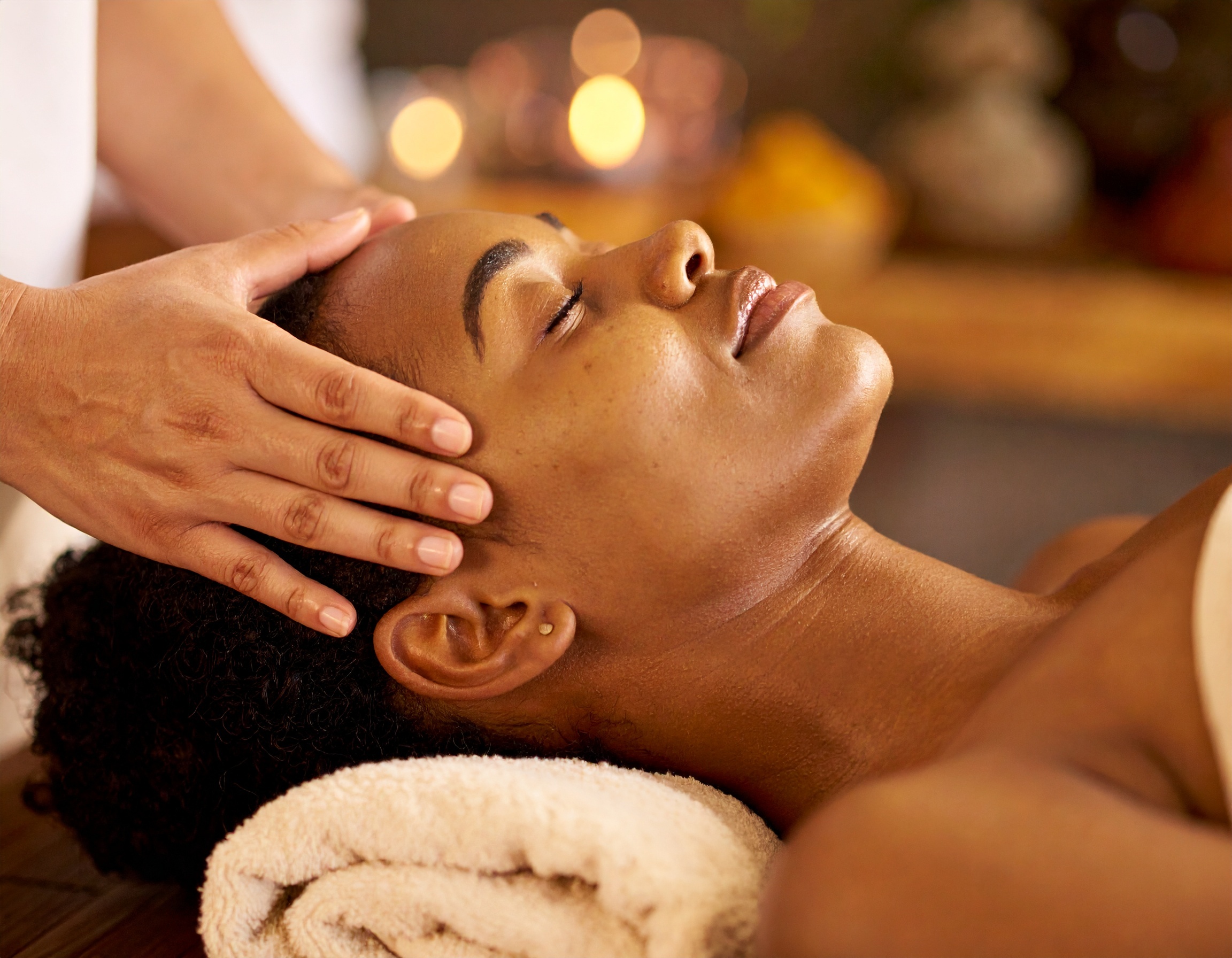
Firstly, can osteopathy reduce stress? Absolutely it can. Of course, from one person to another there isn’t one single cause of stress. How a stressful situation and tension lands in me differs from how other people might experience that same occurrence. Some of us have very strong emotional responses that sends the body into emergency mode while other people’s minds go into overdrive or even shut down. When stress goes into the body making muscles spasm and tense up or over-stimulating the nervous system, irritating our digestive tract, inducing heart palpitations, making us faint, raising or lowering our blood pressure and so on ad infinitum, it will register in a completely unique way from person to person. And as you will see below, osteopathy has unique techniques that can ease those problems.
Can osteopathy relax people? Again, absolutely, and yet it is possibly the most overlooked and unknown physical therapy that is actually one of the most effective for relaxation. Likewise with stress, what helps one person to relax, relieve stress and ease tension will vary from person to person. This individuality is what makes us all so special and unique. The best treatment for relaxation and releasing stress will depend on the causes for each person. We need to consider how it is being stored by their body, mind, emotions and work with them to find what methods suit them most.
It will also depend on how a person is feeling on the day they come to us for physical therapy. And so, there is no magical fix-all method for stress and relaxation. As physical therapists we must meet our patients where they are at and collaborate with them, listen to them and understand them, throughout their entire treatment.
That being said, we do all possess the same body systems and there are numerous physical therapy techniques that can be used on these systems to improve our health, relieve tension, ease aches and pains, and calm the nervous system. As we shall see, osteopathy has techniques that help all the body’s systems.
So how, I hear you ask, is manual osteopathy the ultimate relaxation treatment among so many other modalities to choose from? Well like I said, there is no magical fix-all modality, but one major thing osteopathy does is to integrate many modalities with its own unique techniques to treat all systems in the body – sometimes all in the same treatment. And depending on the needs of the individual person, more focus can be placed on one or more system and area of the body that need the most attention on that day.
In an osteopathy session the therapist uses hands-on techniques to assess, treat, and improve body function by restoring balance to the musculoskeletal system, and they will combine multiple techniques including:
- Soft tissue manipulation: Gentle stretching, massage and pressure to relax muscles and improve circulation.
- Joint articulation: Gentle precise movement of joints to increase mobility and remove motion restrictions.
- Muscle energy techniques: Using the patient’s own muscle contractions against moderate resistance to realign joints.
- Cranial osteopathy: Subtle manipulations of the skull bones and sacrum to release tension and improve spinal fluid motion.
- Visceral osteopathy: Gentle manipulation of internal organs (such as the liver, stomach, intestines, and bladder) and the surrounding tissues.
All aim to enhance the body’s natural self-healing and overall function.
Personally, I’ve had a wide variety of lovely massages and physical therapies, and I enjoy receiving them. I find physical therapies incredibly relaxing and encourage anybody who has never had a massage or an osteopathy session to get out there and try as many different types as possible to see which ones work best for you. But for me osteopathy has always been the most effective treatment for pain management and relaxation because it combines multiple modalities with unique osteopathic techniques to maximize the efficiency of the treatment. Let me summarize how this works so effectively for relaxation and reducing stress:
- Touch therapy is known to boost moods. The simple caring and gentle therapeutic touch of osteopathy can trigger the release of our four ‘happy hormones’ – oxytocin, dopamine, serotonin and endorphins. The anti-stress effects of these hormones lowers levels of cortisol and other stress hormones and reduces anxiety and depression. This caring human contact can create a stronger relationship and sense of trust between a patient and their therapist which puts them more at ease.
- Manual osteopathy calms the nervous system by balancing the sympathetic and parasympathetic branches through gentle manipulation. In turn this releases muscle tension, improves circulation, and promotes a relaxation response. Techniques like myofascial release therapy (MFT), visceral manipulation (working with the organs), and cranial osteopathy help to release physical and emotional stress held in the body’s tissues. This improves the flow of cerebrospinal fluid (CSF), and enhances vagus nerve function, shifting the body from a stress state to a state of rest and digest – shifting away from the “fight-or-flight” state. Manual osteopathic techniques aim to reduce the dominance of the sympathetic nervous system (“fight-or-flight”) and promote the parasympathetic nervous system (“rest-and-digest”), thereby rebalancing the nervous system.
- Stimulating the vagus nerve: Manipulations around the diaphragm, neck, and cranial bones can stimulate the vagus nerve, which helps the body access a calmer state more quickly and easily.
- Releasing physical tension: Using gentle adjustments and manipulations of muscles and joints releases trapped tensions, particularly in areas like the neck, shoulders, and back where stress often accumulates and causes pain. With overall tension reduced the musculoskeletal system is put at ease. This helps with symptoms of chronic fatigue because the body’s energy can be refocused and conserved better.
- Myofascial and connective tissue work: Fascia tissue wraps around virtually every structure in the body: organs, muscles, bones, nerves, it provides structural support and protection, and has its own nerve network. In fact scientists are only at the beginning of understanding all its functions. What we do know is that fascia can feel and cause pain, adapt to pressure, stretch and tighten, and restrict movement when stuck. Techniques like myofascial release therapy (MFT) help to relieve tension in the fascia and this reduces overall systemic stress.
- Visceral osteopathy: Treatments focusing on the organs can relieve tension in the abdominal area, which may help with digestive issues often brought on by stress. Visceral osteopathy uses very gentle manipulation of the organs to improve motility (an organ’s natural movement) thereby improving its function. A relaxed abdominal region can also contribute to better breathing – good circulation being key to good overall health. Again, overall, this can rebalance many of the body’s physiological functions and put the body at ease.
- Enhancing circulation: Osteopathic treatments improve blood and lymphatic flow, ensuring tissues receive vital nutrients and waste is efficiently removed, which supports both physical recovery and mental clarity. When the body does not have to work as hard to heal and regulate itself the result is a greater sense of ease within and healthier body systems.
- Improving breathing and posture: By working with the diaphragm, rib cage, and spine, osteopathy encourages better posture and promotes deeper, more effective breathing, which is essential for relaxation and stress management. Better breathing is known to reduce our resting heart rate (RHR), raise our heart rate variability (HRV), improve the quality of sleep, and optimises many more physiological functions which are used as indicators, or biomarkers, of overall health, stress and relaxation levels.
- Supporting the cranial-sacral rhythm: Techniques like cranial osteopathy gently restore movement to the cranial bones and surrounding membranes, which can enhance the flow of cerebrospinal fluid (CSF) and improve nervous system function.
- Reducing pain: By addressing the physical causes of chronic pain, manual osteopathy can help break the cycle where pain amplifies stress and stress worsens pain. Living with unresolved pain for even a short period of time can have a knock-on effect on all the body’s systems and eventually cause secondary pathologies. This pain-stress cycle can be disrupted by manual osteopathy techniques.
- Increasing body awareness: Practitioners educate patients on their body’s mechanics and can offer therapeutic exercises for home care, empowering them to make lifestyle changes and engage in self-care practices that support nervous system health.
And that’s why Manual Osteopathy might just be the ultimate relaxation treatment. Working on all body systems is the most effective way to reduce stress and relax the body. Think of the body like a Formula One race car. The race team wouldn’t just fix the tyres while ignoring the engine or a sleep-deprived driver. They look after every detail because all the systems are connected and affect each other. And that’s the holistic approach osteopathy has towards the body. Treat the whole system, not just the symptoms, achieves maximum results.
So, is osteopathy good for relaxation? According to science, my experience and that of my patients, absolutely!
Try it for yourselves and see if manual osteopathy is the ultimate relaxing stress buster (and pain dissolver) for you!
Experience holistic osteopathic relaxation and wellness in Anmore, Coquitlam and Port Moody, where gentle hands-on care restores balance, relieves tension, and supports your body’s natural healing.
Book in with Max Edwards, Manual Osteopathic Practitioner & Bodywork Specialist @ Ithaca Wellness www.ithacawellness.ca Serving neighbourhoods in Coquitlam, Port Moody, Tri-Cities, Anmore, Belcarra, Westwood Plateau, Burke Mountain, Heritage Woods, Vancouver and beyond!
Max’s Locations
Monday – 10am to 8pm @ Mobile in-house/at-work service Tri-Cities and Greater Vancouver – Book here: https://ithaca.noterro.com
Tuesday – 2pm to 8pm @ Dovira Care Integrative Health Clinic, 3020 Lincoln Ave, 109, Coquitlam, BC, V3B 6B4 – Book here: https://dovira.janeapp.com
Saturday – 10am to 8pm @ Dovira Care Integrative Health Clinic, 3020 Lincoln Ave, 109, Coquitlam, BC, V3B 6B4 – Book here: https://dovira.janeapp.com
Sunday – 11am to 5pm @ Mobile in-house/at-work service Tri-Cities and Greater Vancouver – Book here: https://ithaca.noterro.com
If you have any questions about bookings or Manual Osteopathy & Therapeutic Bodywork please email Max at ithacawellnesscanada@gmail.com or call 778-929-6143
We would like to respectfully acknowledge that Ithaca Wellness operates on the traditional, ancestral, and unceded shared territories of the kʷikʷəƛ̓əm (Kwikwetlem), sq̓əc̓iy̓aɁɬ təməxʷ (Katzie), səlilwətaɬ (Tsleil-Waututh), xʷməθkʷəy̓əm (Musqueam), Sḵwx̱wú7mesh (Squamish), and Stó:lō (Sto:lo) First Nations. We give thanks to these nations who continue to live on and care for these lands and waters, and for their wisdom towards wildlife.